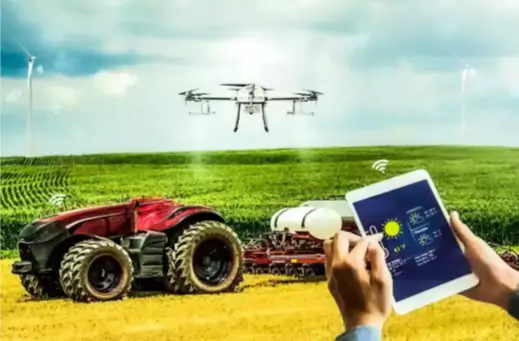

Smart farming equipment integrates sensors, drones, and AI to monitor crops, soil moisture, and microclimates in real time. Data streams feed actionable maps and alerts for targeted irrigation, fertilization, and pest control. Automation converts insights into repeatable decisions, reducing waste and labor while optimizing inputs. The approach promises measurable gains in yield, efficiency, and sustainability, yet its full impact depends on implementation, data quality, and integration with existing farm workflows. The next step reveals where value converges.
What Smart Farming Tech Do and Why It Matters for Yields
Smart farming technologies integrate sensors, data analytics, and automated systems to monitor crop health, soil conditions, and environmental variables in real time. They enable remote monitoring of irrigation, nutrient application, and pest risk, reducing waste and variability.
Real-Time Sensing and Drones: Turning Data Into Action
Real-time sensing and drone-based observation translate field data into immediate management actions.
Continuous data streams enable rapid assessment of crop health, moisture, and nutrient status.
Drones analytics yield actionable maps and alerts, guiding precise irrigation, fertilization, and pest responses.
Automation interventions can be triggered promptly, while AI optimization refines sensing parameters and prioritizes interventions for scalable, freedom-affirming agricultural productivity.
See also: How Satellite Internet Is Expanding Global Connectivity
Automation and AI: From Insights to Precise Interventions
Automation and AI translate collected insights into field-ready actions through decision-support systems and autonomous actuators. Precision analytics enable targeted interventions, reducing input waste and improving timing. Systems autonomously adjust variables such as irrigation, fertilization, and pest management, translating data into repeatable routines.
Autonomous irrigation exemplifies real-time cadence, while analytics validate outcomes, supporting scalable, risk-aware farming with transparent decision logs.
Measuring Impact: Productivity, Sustainability, and Profitability
Measuring impact in smart farming integrates productivity, sustainability, and profitability into a unified assessment framework. The analysis quantifies output gains, resource efficiency, and environmental footprint, aligning with farm resilience objectives. Data gaps hinder cross-system benchmarking, while external factors influence performance signals.
Effective stakeholder engagement and transparent metrics enable informed decisions, fostering adaptive practices that sustain profitability without compromising ecological and social values.
Frequently Asked Questions
How Affordable Is Smart Farming for Smallholder Farmers?
The assessment indicates affordable tools exist, but cost barriers persist for smallholder adoption. Economies of scale, financing, and maintenance influence uptake; once accessible, data-driven decisions boost productivity, while farmers seek freedom through low-risk, transparent, value-aligned technology choices.
What Are the Privacy and Data Security Risks?
Privacy concerns proliferate; data ownership dilemmas demand diligence. The detached analyst notes significant security risks, including breaches, misuse, and opaque access controls. Data governance, encryption, and transparent vendor policies are essential to safeguard sensitive farming information.
Do Smart Systems Require Specialized Maintenance Skills?
Smart systems generally require specialized maintenance, and skill gaps can hinder uptime. Teams with targeted training reduce downtime, while routine audits and vendor-supported programs ensure updates. Overall, maintenance demands moderate expertise and proactive succession planning for continued autonomy.
How Do Sensors Perform in Extreme Weather?
Sensors performance remains robust under extreme weather, but readings may drift without periodic calibration; data-driven analyses show weatherproof housings and redundant sensors mitigate anomalies, preserving alert accuracy for informed decisions and sustaining operational freedom in harsh field conditions.
What Is the Typical ROI Timeline for Adoption?
The ROI timeline for adoption typically spans 2–5 years, depending on crop, scale, and incentive programs. Yield gains contribute significantly, with data suggesting modest annual improvements early on, accelerating as system optimization matures across inputs and operations.
Conclusion
Smart farming integrates real-time sensing, drone imagery, and AI-driven automation to translate data into precise agronomic actions. The evidence shows consistent gains in yield, resource efficiency, and environmental stewardship, driven by timely interventions and traceable decision logs. While variability across crops and regions exists, standardized data pipelines and transparent metrics enable repeatable improvements and cost containment. Thus, the theory that integrated technology reliably enhances productivity holds, though its strength depends on data quality, system integration, and operator expertise.